Monitoring Antisemitism in EuropeBridging the Gap Between Policy and Practice
According to the latest EU Agency for Fundamental Rights (FRA) survey, 96% of Jewish respondents had encountered antisemitism in the previous year, 80% believed it had increased over the past five years, and only 18% considered their government’s response effective. Yet significant underreporting and data gaps across Member States leave a distance between lived reality and official statistics. Join us for a live online briefing with the FRA’s European-wide data and Austria’s Special Envoy on Antisemitism to examine what current figures tell us — and how governments can turn monitoring and policy commitments into concrete action.
Thursday, October 15, 2026

Eva-Esther Sobotka
FRA · Speaker
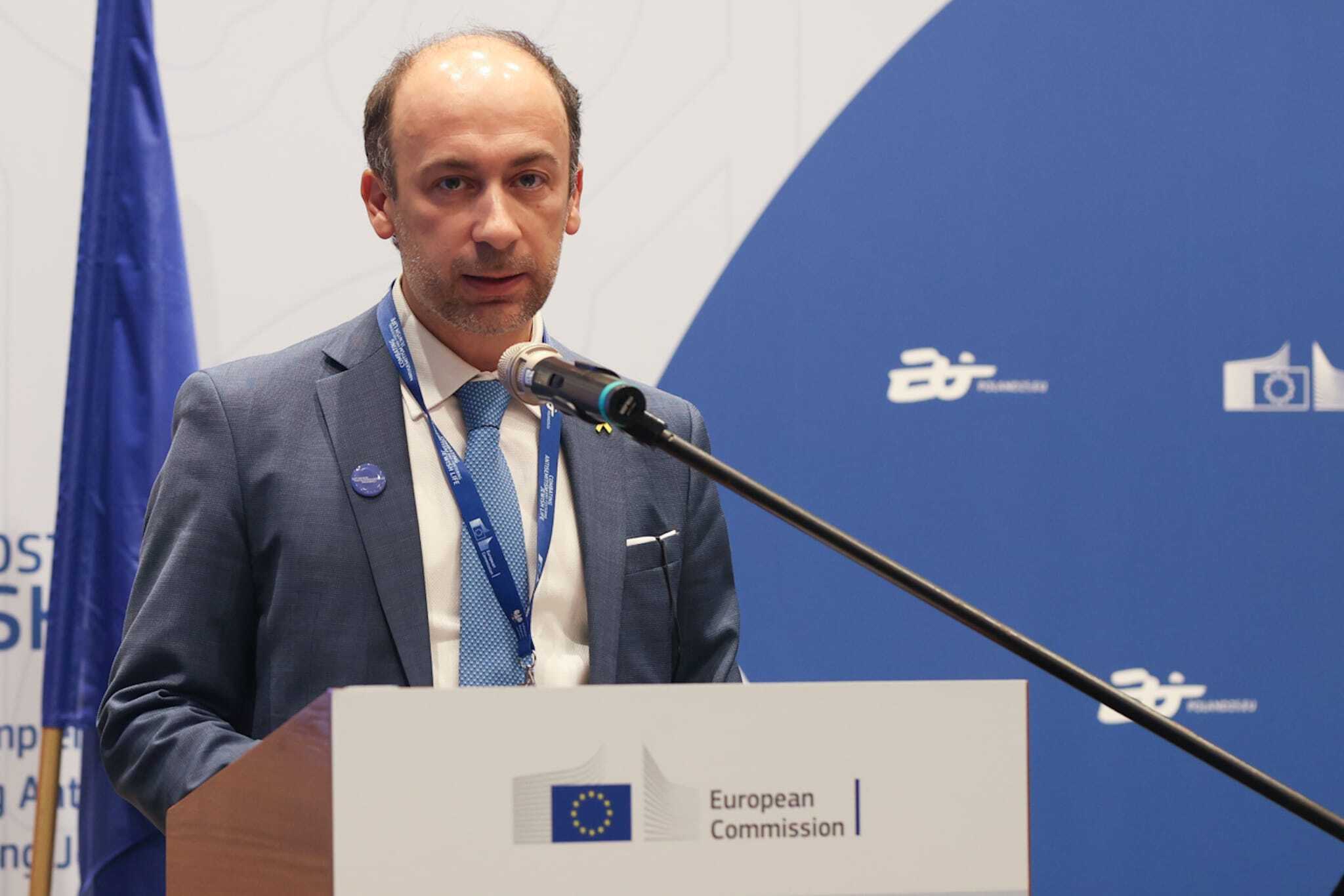
Antonio Martino
Austria · Speaker
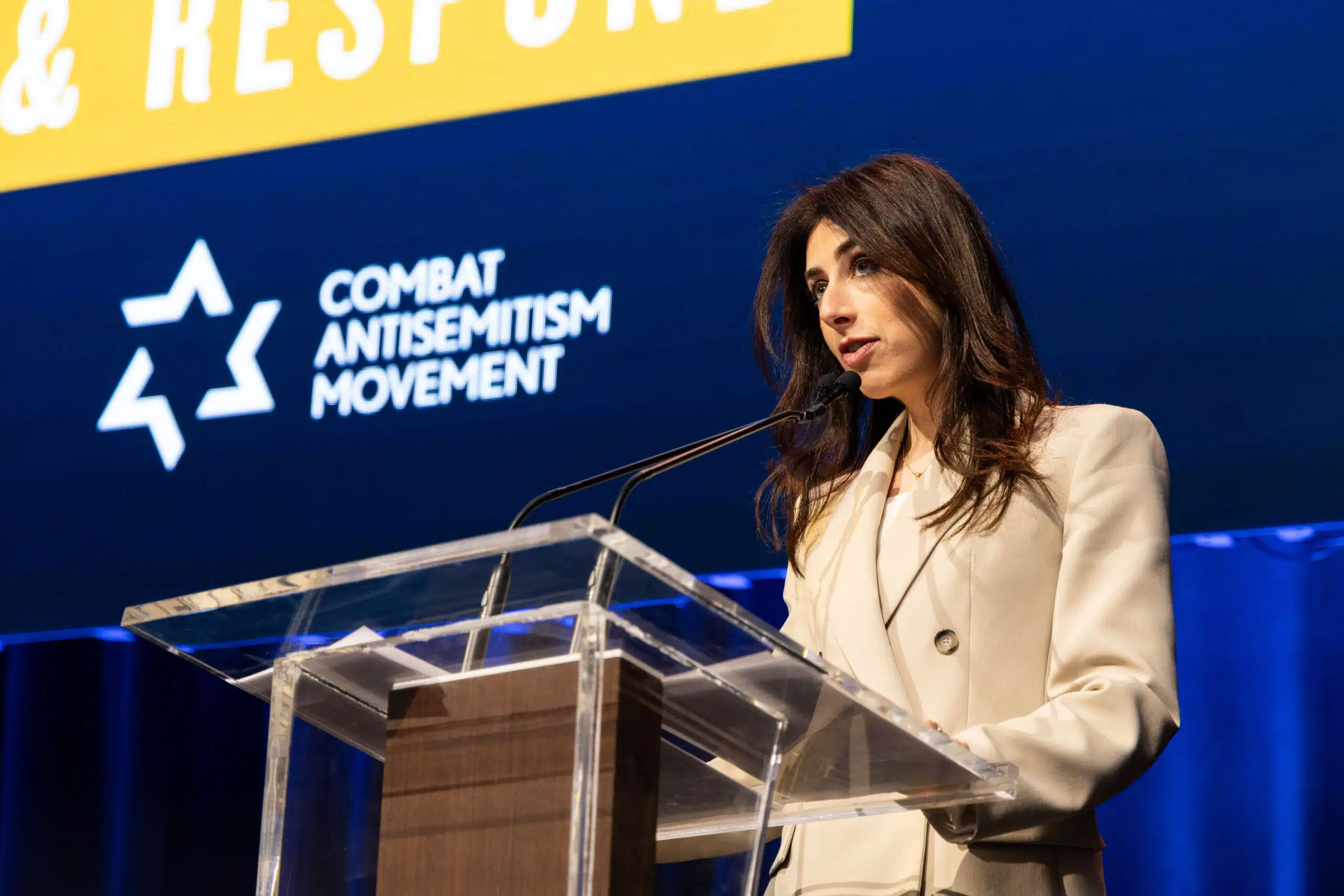
Shannon Seban
CAM · Moderator


The Data, The Gap, The Action
Understanding the scale of antisemitism in Europe remains a challenge. Differences in reporting and data collection across Member States, combined with significant underreporting, can leave a gap between the reality experienced by Jewish communities and the picture captured by official statistics. This briefing examines that gap — and how to bridge it.
The FRA Survey Findings
The latest EU Agency for Fundamental Rights survey found 96% of Jewish respondents had encountered antisemitism in the past year, 80% believed it had increased over five years, and only 18% considered their government’s response effective.
The Reporting Gap
Significant underreporting across Member States means official statistics often capture only a fraction of the antisemitic incidents Jewish communities actually experience.
Divergent Data
Differences in how countries collect, classify, and report antisemitism data make cross-national comparison difficult and obscure the true European picture.
Lived Reality vs. Official Record
The gap between what Jewish communities experience day-to-day and what official figures show demands attention from policymakers and monitors alike.
National Strategies
European governments have adopted national strategies against antisemitism — but turning monitoring and policy commitments into concrete action remains the critical next step.
From Policy to Practice
Bridging the gap means translating data, strategies, and commitments into tangible protections for Jewish communities across Europe.
Data, Policy, and the Path Forward
Bringing together the FRA’s European-wide data and analysis with the on-the-ground perspective of Austria’s Special Envoy on Antisemitism, the discussion examines what current figures tell us, what they may still fail to capture, and how governments can turn monitoring, national strategies, and policy commitments into concrete action — moderated by Shannon Seban, CAM’s Executive Director of European Affairs.
Eva-Esther Sobotka
Coordinator on combating antisemitism at the EU Agency for Fundamental Rights (FRA)
Eva-Esther Sobotka leads on combating antisemitism in the Unit Equality, Roma and Social Rights at the EU Agency for Fundamental Rights (FRA), overseeing the agency’s European-wide data collection and analysis on antisemitism and other forms of discrimination.
Highlights
Leads the FRA unit responsible for the agency’s fundamental rights survey of Jewish people across Europe.
Oversees European-wide data collection and analysis on equality, Roma rights, and social rights.
Antonio Martino
Austrian Special Envoy on Antisemitism
Antonio Martino serves as Austria’s Special Envoy on Antisemitism, responsible for advancing national and international efforts to counter antisemitism and implement Austria’s national strategy against antisemitism.
Highlights
Coordinates Austria’s national strategy and international commitments on combating antisemitism.
Serves as Austria’s dedicated diplomatic envoy on antisemitism issues across European and multilateral fora.
Shannon Seban
Executive Director of European Affairs, Combat Antisemitism Movement (CAM)
Shannon Seban is CAM’s Executive Director of European Affairs, leading the organization’s outreach and engagement across Europe. A former city council member in Rosny-sous-Bois, France, she was responsible for promoting laïcité (secularism) and combating discrimination. She is the author of French and Jewish: So What?, published in May 2025, and serves as National Secretary of Les Républicains in charge of combating antisemitism and racism.
Highlights
A recognized figure in France and beyond for her advocacy against antisemitism and racism and her commitment to promoting interfaith dialogue and peace.
Extensive professional experience working with European institutions and French government ministries.
Live Q&A
Following the briefing, attendees will have the opportunity to submit questions directly to the speakers during an interactive Q&A session, moderated by Shannon Seban.